
Avoiding Common Small Business Tax Mistakes in Melbourne
The Australian Taxation Office (ATO) recently reported that small businesses contribute to a tax gap of approximately A$33 billion, with a significant portion of this shortfall caused by simple, unintentional errors. It’s a staggering figure that highlights just how easy it is to trip up when you’re busy running a company. We understand that managing a business in Melbourne is a constant juggling act; the fear of an unexpected audit or a confusing BAS lodgement can feel like a heavy weight. You’ve worked hard to build your dream, and the last thing you want is to see your progress stalled by avoidable penalties or missed concessions.
By focusing on avoiding common small business tax mistakes, you can transform your relationship with the tax man from one of stress to one of strategic advantage. This article provides the clarity you need to steer clear of costly ATO errors and ensures your cash flow remains optimised through correct tax rates. We’ll explore the practical steps you can take today to gain total peace of mind and build a proactive partnership that looks far beyond the numbers.
Key Takeaways
- Understand why the ATO is increasing its focus on the ‘Tax Gap’ and how to protect your business by clearly separating personal and business finances.
- Discover how to move beyond the shoebox by utilising Xero accounting and automated bank feeds to gain real-time visibility over your financial health.
- Learn the essential strategies for avoiding common small business tax mistakes, ensuring your current business structure is optimised for maximum tax efficiency.
- Gain a strategic edge by mastering Small Business CGT concessions, including the ’15-year rule’, to help secure your long-term wealth and exit strategy.
- Explore how partnering with a proactive advisor can turn tax compliance into a powerful growth tool for your business in Melbourne.
Avoiding the Most Costly Small Business Tax Mistakes in Melbourne
Running a business in busy hubs like Melbourne is demanding enough without the added pressure of an ATO audit. As we move into 2026, the Australian Taxation Office (ATO) has shifted its focus toward closing the “Tax Gap.” This gap represents the difference between the tax the ATO expects to collect and what is actually paid. Currently, small businesses account for a significant portion of this shortfall, with the ATO estimating the gap at approximately A$15.1 billion annually. Because of this, avoiding common small business tax mistakes is no longer just about good housekeeping; it’s about protecting your livelihood from increased regulatory scrutiny.
The most frequent trap we see is the “Mixing Business with Pleasure” scenario. It’s easy to use the business debit card for a quick grocery run or a personal weekend away, but these transactions are the number one trigger for an audit. The Australian income tax system requires a clear separation between your private life and your commercial operations. When you fail to draw this line, you risk losing your tax deductions and facing heavy penalties. Keeping separate bank accounts and meticulous records isn’t just a suggestion, it’s your first line of defence.
Another area where owners stumble is the company tax rate. You might be paying 30% on your profits when you should only be paying the 25% base rate. To qualify for the lower rate, your business must be a “base rate entity,” meaning your aggregated turnover is less than A$50 million and your passive income (like interest or dividends) makes up 80% or less of your total income. Overpaying tax can drain your cash flow, while underpaying leads to debt. Getting this right is a vital part of avoiding common small business tax mistakes that impact your bottom line.
Don’t ignore the hidden dangers of late lodgements. Many directors think that if they can’t afford the bill, they shouldn’t lodge the return. This is a dangerous misconception. If you fail to lodge your Business Activity Statements (BAS) or tax returns on time, the ATO can issue a Director Penalty Notice (DPN). In some cases, this makes you personally liable for the company’s tax debts. Lodging on time, even without immediate payment, keeps you in the system and often prevents the most aggressive debt recovery actions.
Common ATO Red Flags for Australian SMEs
The ATO uses sophisticated data-matching technology to compare your business against others in your industry. If your profit margins fluctuate wildly compared to Melbourne industry benchmarks, you’ll likely receive a “please explain” letter. They also look for discrepancies between your reported income and your lifestyle assets. If you’re reporting a low income but just registered a luxury boat or a high-end vehicle, it triggers an “unexplained wealth” check. A smart tip is to use small business accounting frameworks to ensure your margins stay within the expected range for your specific sector.
The GST and BAS Lodgement Hurdle
For business owners across Melbourne, the golden rule is simple: lodge even if you can’t pay. This demonstrates transparency and gives you room to negotiate a payment plan. Errors in GST classification are also rampant. You must distinguish between GST-free supplies, such as most basic food items or medical services, and input-taxed sales, like residential rent. Claiming GST credits on input-taxed sales is a common error that leads to unexpected back-taxes and interest charges during a review.
Strategic Record Keeping: Turning Compliance into a Growth Tool
Record keeping is often seen as a burden, but it’s actually the most effective way of avoiding common small business tax mistakes. When you have a clear view of your numbers, you aren’t just staying out of trouble with the ATO; you’re making better decisions for your future. Moving beyond the shoebox is the first step toward this clarity. Adopting xero accounting allows you to see your financial health in real time. You can check your cash flow while grabbing a coffee in South Yarra or waiting for a meeting in the CBD.
Automating your bank feeds is the second step to a cleaner ledger. By linking your business bank accounts directly to your software, you eliminate the manual entry errors that often lead to tax discrepancies. It’s much harder to miss a deductible expense when every transaction is right there in front of you. For more broad guidance on your obligations, the business taxation information portal provides a great foundation for understanding what the government expects from your records.
Vehicle expenses are a frequent area of confusion. You generally have two choices: the cents per km method or the logbook method. The cents per km method is capped at 5,000 business kilometres per year. If you’re a Melbourne sales rep or a Melbourne tradie doing heavy mileage, the logbook method usually yields a much higher deduction. Using a digital logbook app ensures you meet the strict 12 week recording requirement every five years. Finally, don’t wait for June 30 to look at your books. Monthly ‘Health Checks’ allow you to reconcile your GST and track your profit, ensuring there are no nasty surprises when it’s time to lodge your BAS.
Maximising Legitimate Tax Deductions
Home office expenses have changed recently. For the 2024-25 and 2025-26 years, the revised fixed-rate method is 67 cents per hour. This covers electricity, gas, and internet, but you must keep a record of all hours worked. If your actual costs are significantly higher, the actual cost method might be better, though it requires meticulous receipt tracking. For Melbourne tradies and Melbourne tech firms, the instant asset write-off is still a vital tool. The current threshold is A$20,000 for assets first used or installed by 30 June 2025, provided your turnover is under A$10 million. This presents an excellent opportunity to invest in sustainable infrastructure; for example, G-Solar & Electrical assists businesses in implementing solar solutions that can be part of these tax-effective asset purchase plans.
Payroll Tax and Superannuation Compliance
The ‘Contractor vs. Employee’ distinction is a major focus for the ATO. Simply having an ABN doesn’t automatically make someone a contractor. If you control how, when, and where the work is done, they might be an employee for super purposes. This is a common trap that leads to heavy penalties for sham contracting. You also need to be vigilant with Super Guarantee (SG) deadlines. Super must be paid into the employee’s fund by the 28th day of the month following the end of the quarter. If you’re even one day late, the payment is no longer tax deductible, and you’ll have to deal with the SG Charge Statement process.
Staying on top of these rules is much easier with a proactive partner. If you’re looking for ways to streamline your systems, feel free to talk to us and let us help you find the right path forward.
Navigating Complex Tax Structures: The Proactive Partner Approach
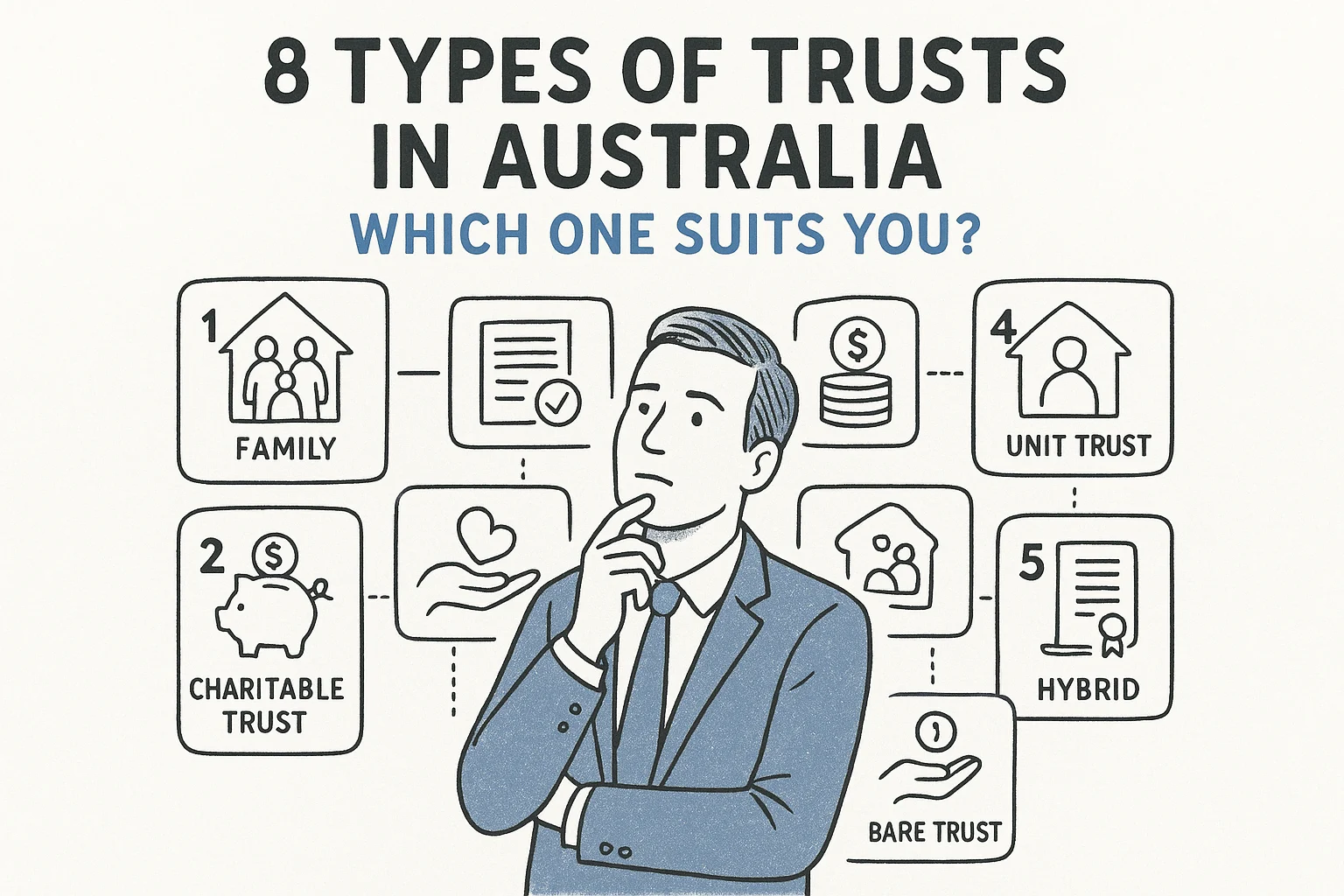
Choosing the right business structure isn’t a one-time decision. Many entrepreneurs in Melbourne start as sole traders for simplicity, but staying in that structure too long is a costly error. If your annual profit exceeds A$100,000, you might be paying significantly more tax than necessary compared to a company structure with a 25% base rate. Avoiding common small business tax mistakes starts with ensuring your legal framework matches your current scale and risk profile.
Planning for an exit is another area where the right structure pays off. The ATO provides generous Small Business CGT Concessions that can potentially reduce your capital gains tax to zero. To qualify, you must pass the ‘Active Asset’ test, meaning the asset was used in your business for at least half the period of ownership. If you’ve held the asset for 15 years and are retiring, the ’15-year rule’ could allow you to disregard the entire capital gain. These rules are complex; missing a single criterion can result in a massive tax bill during a sale.
Self-Managed Super Funds (SMSFs) offer great control, but they come with strict compliance hurdles. A frequent trap is the ‘In-House Asset’ rule, where the fund invests in an employer-sponsor or an associate. These assets cannot exceed 5% of the fund’s total value. Violating this can lead to heavy penalties from the ATO and put your retirement savings at risk. Working with a qualified tax agent ensures you stay on the right side of these regulations while focusing on growth.
When to Review Your Business Structure
You should review your setup when you hit major revenue milestones. In competitive markets like Melbourne, reaching A$200,000 in annual turnover is often the signpost to move from a sole trader to a company or trust. This isn’t just about tax; it’s about asset protection. Using a corporate trustee or a company structure shields your personal home and savings from business liabilities. If your business is growing, don’t wait until tax time to ask if your structure still works. Avoiding common small business tax mistakes requires a structure that evolves alongside your success.
Pro Tip: Conduct a structural audit every two years or whenever your revenue increases by 25%. This ensures your asset protection remains robust as your wealth grows.
The Gartly Advisory Difference: Proactive Support
We bring 35 years of experience to the table, helping you find opportunities that others might overlook. This includes identifying R&D tax incentives or specific government grants that can inject cash back into your business. We don’t just look at the past; we look forward. Our approach is built on being a trusted partner on your journey towards success, giving you advice that goes well beyond the numbers on a balance sheet.
We invite you to book a complimentary appointment to assess your current tax health and identify any hidden risks. It’s a low-pressure way to see how proactive support can change your financial trajectory and provide peace of mind. Talk to us and let us help you secure your business’s financial future today.
Take Control of Your Tax Strategy Today
Navigating the tax landscape in Melbourne doesn’t have to feel like a burden. By turning your record keeping into a strategic growth tool and choosing a proactive approach to complex structures, you’re doing more than just staying compliant. You’re building a solid foundation for long-term success. Focusing on avoiding common small business tax mistakes is the first step toward protecting your hard-earned cash flow and ensuring your business thrives in the Australian market.
At Gartly Advisory, we bring 35+ years of Chartered Accounting experience to your side. We’ve helped many local owners across Australia, earning over 70 5-star Google Reviews for our supportive and reliable guidance. Whether you need specialised expertise in SMSF accounting or you’re managing a complex franchise, we’re here to be your trusted partner. Don’t wait for tax season to feel the pressure. Book your complimentary tax health check with Gartly Advisory today and let’s get your business moving in the right direction. We’re ready to help you grow your dreams with confidence and clarity.
Frequently Asked Questions
What happens if I make a mistake on my BAS lodgement?
If you make a mistake on your BAS, you can usually correct it in your next statement or lodge an amendment through the ATO online portal. For small businesses with an annual turnover under A$20 million, the ATO typically allows you to fix credit or debit errors of less than A$10,000 in the following reporting period. This proactive approach is a key part of avoiding common small business tax mistakes that lead to unnecessary penalties. If the error is larger, reach out to us so we can help you manage the disclosure and minimise potential interest charges.
Can the ATO audit my personal bank account if I’m a business owner?
The ATO has the legal authority to audit your personal bank accounts to ensure your reported income matches your lifestyle and spending habits. Through sophisticated data matching programs, they compare your tax returns against data from over 600,000 sources, including banks, car registries, and insurance companies. If your personal spending significantly exceeds your declared business income, it often triggers a red flag. Keeping clear boundaries between personal and business finances is vital for your peace of mind and long term success as a business owner.
What is the difference between the 25% and 30% company tax rate in 2026?
In the 2025-26 financial year, companies qualify for the lower 25% tax rate if they are a base rate entity with an aggregated turnover under A$50 million. To access this lower rate, your passive income, such as rent, interest, or dividends, must also be less than 80% of your total assessable income. If your turnover exceeds that A$50 million threshold or your passive income is too high, the standard 30% rate applies. We help you navigate these thresholds to ensure you’re paying the correct amount while avoiding common small business tax mistakes related to company structures.
Is it better to use the ‘cents per km’ or ‘logbook’ method for my business vehicle?
The logbook method is often better for high mileage drivers, while the cents per km method suits those who travel less than 5,000 business kilometres annually. For the 2024-25 year, the cents per km rate is 85 cents, which is simple but capped at that 5,000km limit. If you use the logbook method, you must keep a record for 12 continuous weeks to claim a percentage of all running costs. This logbook remains valid for five years unless your circumstances change significantly; it often provides a much larger deduction for your business vehicle if you drive extensively for work.