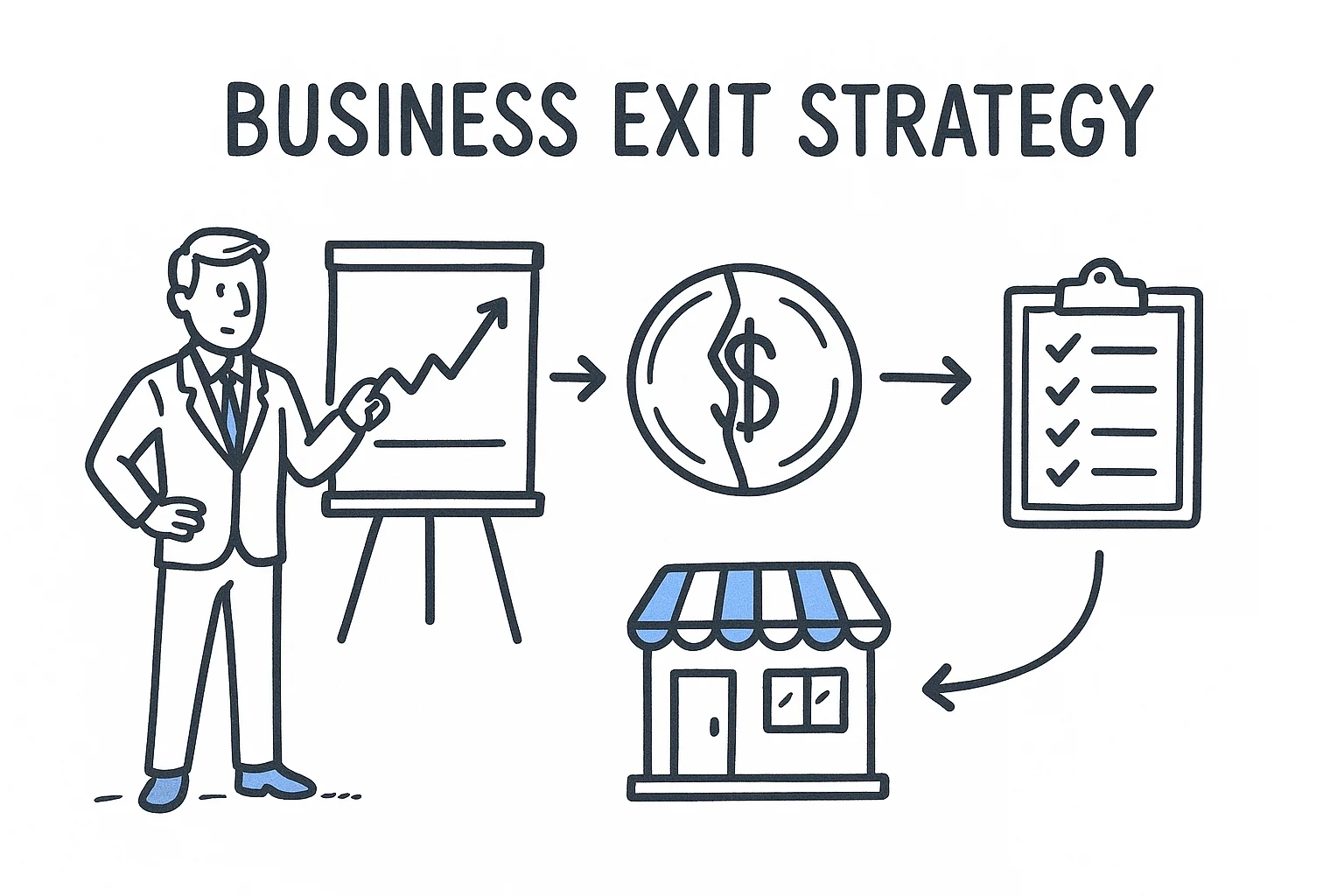

Before a Sale of Business, Read the numbers and the hidden story in Your Balance Sheet.
When a business owners start thinking about the sale of their business, succession planning or retirement, the first question is usually about profit. Before starting the business exit planning process, arranging a family succession meeting or placing a business on the market, owners should carefully review their Balance Sheet.
The Balance Sheet can identify what the business owns, what it owes and the financial position that has built up over many years. It will 1lso provide a valuable indication of how well the business has been managed. Unfortunately, many business owners regularly review their profit and loss statement but rarely examine the Balance Sheet in detail. They miss the hidden items that can bring any business exit transition to a halt!~
What Is Your Balance Sheet Really Telling You?
A Balance Sheet is more than an accounting report ,It contains the accumulated financial history of the business. Transactions and accounting adjustments can remain on the Balance Sheet for years, even when nobody remembers what they originally represented.
Over the years, I have reviewed Balance Sheets containing capital profit reserves, capital loss reserves, old revaluation reserves and historical loan accounts that the business owners could not explain.
Sometimes assets are recorded on the Balance Sheet that no longer existed! Not to mention assets being used by the business that were not recorded, goodwill relating to businesses or divisions that had closed years earlier, and investments that had lost their value but had never been written off.
In other cases, equipment finance, business loans, tax obligations or employee entitlements were missing or had not been properly recorded. These issues may not receive much attention while the business continues operating. However, they can become significant when preparing for a sale of business.
A buyer and their advisers will want to understand what every major balance represents. Unexplained or inaccurate figures may reduce confidence in the financial information and lead to greater scrutiny during due diligence.
Your Debtors and Creditors Tell a Story
The Balance Sheet can also reveal how the business operates from day to day.
A large debtor balance may indicate strong sales, but it may also suggest that customers are taking too long to pay. Buyers will want to know how old the debts are, whether any amounts are disputed and whether some balances are unlikely to be collected.
A business may appear profitable on paper while experiencing cash-flow pressure because customers are not paying on time. Creditors can provide similar insights. A high creditor balance may reflect normal supplier terms. It could also indicate that the business is delaying payments because cash is tight.
The relationship between cash, debtors, stock and creditors can help demonstrate whether the business has strong financial controls or ongoing working-capital problems. A healthy Balance Sheet will not guarantee a successful business sale, but it can support the argument that the business has been well managed.
Missing Liabilities Can Disrupt a Business Sale!
Missing liabilities are often more concerning to a buyer than outdated assets.
During a sale of business, the parties need to determine how employee entitlements will be treated. The seller may pay them out, transfer them to the buyer, or adjust them against the purchase price. If a significant liability is discovered late in the due diligence process, it can delay the sale, reduce the purchase price, or damage the buyer’s confidence.
Other liabilities that may be overlooked include unpaid superannuation, taxation debts, customer deposits, equipment finance, warranty obligations, related-party loans and accrued expenses.
A clean and complete balance sheet allows these issues to be addressed before negotiations become serious.
Loan Accounts Need to Make Sense
Director, shareholder and beneficiary loan accounts can also cause difficulties during business exit planning.
Owners are sometimes surprised to discover that the accounts show they owe money to their company or trust. In other cases, the business may appear to owe money to the owner, but there is little documentation supporting the balance.
These accounts can arise from private expenses paid by the business, unpaid trust distributions, historical journals or money advanced by the owners. Loan accounts may have taxation, legal and commercial consequences.
They can affect how much money can be extracted from the business and what needs to be resolved before a sale or family transfer takes place. The time to investigate these balances is not immediately before settlement.
They should be reviewed early in the succession planning or sale preparation process.
The Balance Sheet and Family Succession Planning
The balance sheet is equally important where the business is being transferred to children, employees or other family members. Family succession planning can involve difficult discussions about ownership, control, employment, fairness and future inheritance.
A clean Balance Sheet helps the family understand what assets are being transferred, what debts remain, how much working capital the business requires and whether there are properties, investments or surplus cash that should remain with the existing owner. It can also identify loans between family members and the business that need to be resolved.
Without transparency and accurate information, family succession discussions may be based on assumptions rather than facts. The incoming owner may believe they are receiving a valuable business but later discover substantial debt or employee obligations.
A properly reviewed Balance Sheet helps everyone understand exactly what is being transferred.
Start Preparing Before the Business Goes to Market .Your Balance-sheet preparation should begin well before a proposed sale of business.
A Clean Balance Sheet Builds Buyer Confidence
A potential buyer is more likely to have confidence in a business where the financial information is clear, current and capable of explanation.
Every major asset should exist. Every material liability should be recorded. Loan accounts should be understood. Debtors should be recoverable and historical accounting balances should not remain simply because nobody has investigated them.
A clean balance sheet can make do diligence easier, reduce the risk of purchase-price adjustments and demonstrate that the business has been professionally managed.
Before setting a sale price, speaking with a business broker or holding a family succession conference, take time to review the balance sheet. Ask what each figure represents, whether it is still correct and whether anything important is missing. Your balance sheet may not tell the entire story of your business, but it can tell a buyer whether the business is ready for its next chapter.
At Gartly Advisory, we help business owners review their financial position and prepare for succession, retirement and the sale of their business. Early preparation can identify potential problems, improve buyer confidence and provide the owner with more options before negotiations begin.