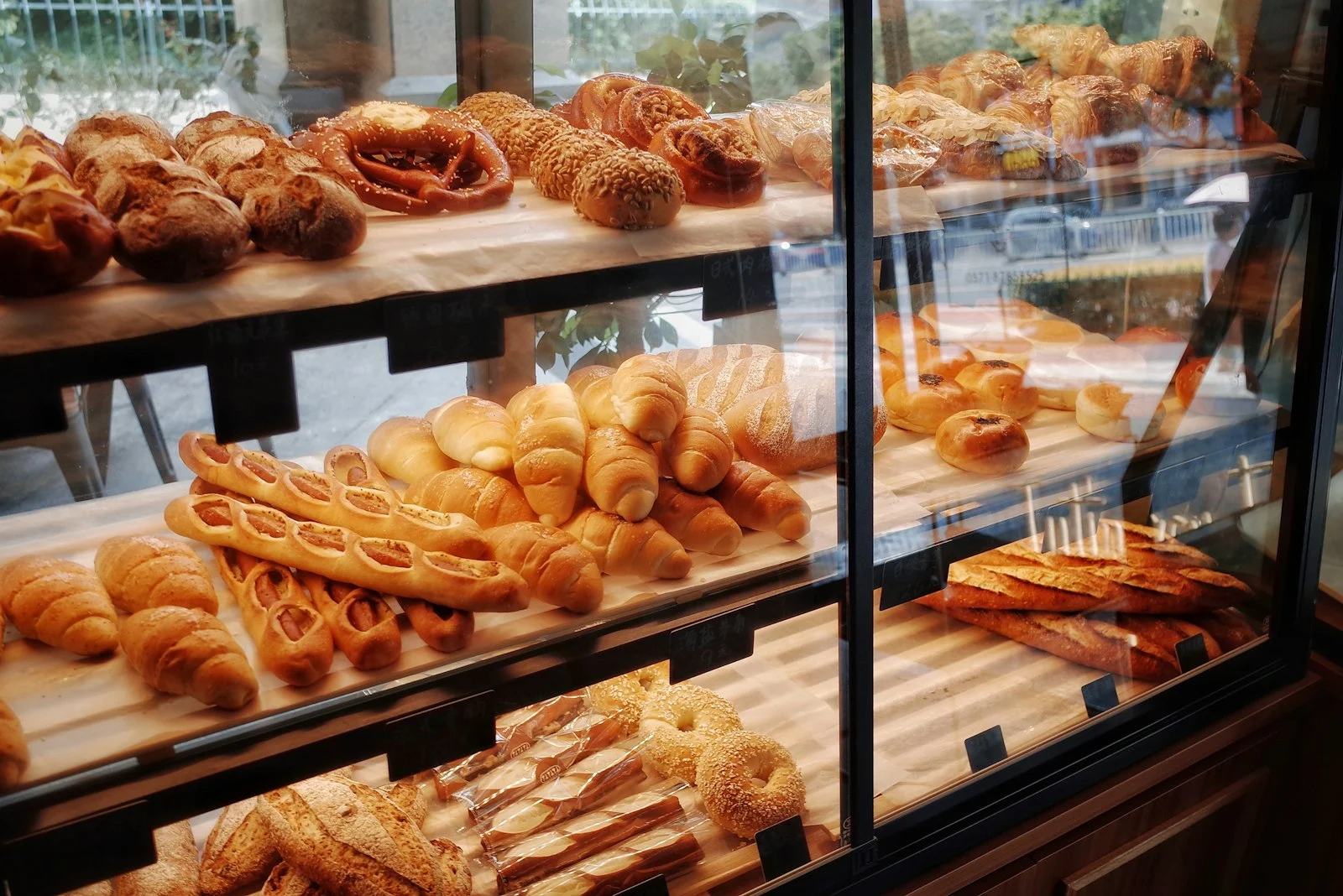
Making Dough from Dough: Can a Bakers Delight Franchise Really Make You Money?
Australians love their bread, but is owning a bakery franchise a recipe for financial success, or a lot of hard work for little dough?
Walk past a bakery on a Saturday morning and you’ll often see customers lining up for fresh bread, rolls and pastries. On the surface it looks like a great business. Customers come back regularly, the brand is well established, and bread is something Australians buy every week.
But before investing in a bakery franchise, the real question is: how much dough does the owner actually make?
At Gartly Advisory, we help prospective franchise owners look beyond sales figures to understand profitability, cash flow and return on investment.
What does a Bakers Delight franchise cost?
According to Bakers Delight’s published franchising information, establishing a new bakery typically costs around $600,000 to $700,000 plus GST, plus a training fee.
Franchisees also pay ongoing royalties of 7% and marketing fees of 2% of net sales. That’s 9% of sales going to franchise-related fees before you pay wages, rent, ingredients and other operating costs.
It’s a significant financial commitment.
How much profit can you make?
Bakers Delight publishes average annual bakery sales of approximately $1.45 million and average operating profit of $260,000, based on its FY25–FY26 figures.
Those numbers sound attractive. The important question is what that operating profit includes:
- Does it account for the owner’s wages? Interest on borrowings? Depreciation?
- How many hours is the owner working? An owner working 60 hours a week may earn a reasonable income, but they have also effectively bought themselves a demanding job.
The true return should reflect both the owner’s labour and the capital invested.
The biggest challenge is managing costs
A bakery has several major expenses that need constant attention.
- Labour: early starts, weekend penalty rates, superannuation and staff turnover can significantly affect profitability.
- Ingredients and wastage: unsold bread at the end of the day is lost income. Small improvements in production planning can make a considerable difference.
- Rent: a prime shopping centre location might deliver excellent sales, but it comes with substantial rent and outgoings.
- Franchise fees: royalties are generally calculated on sales, not profit, so they remain payable even when profitability falls.
Managing costs and repairs is something bakery clients have raised with us. Successful bakery franchisees are often hands-on operators who understand their numbers and manage their businesses closely.
Are you buying a business or buying yourself a job?
This is one of the most important questions we ask anyone considering a franchise.
If a bakery generates $200,000 in annual operating profit, that may sound attractive. But finance costs and the value of the owner’s time can take a big bite out of that profit. Is the return adequate for the financial risk, borrowing commitments and hours involved? That’s a decision every prospective franchisee needs to make.
Can owning multiple bakeries make more dough?
Some successful franchise operators expand into two, three or more locations.
There can be advantages, including shared management resources, greater scale and less reliance on a single bakery. However, multiple stores also mean more employees, more leases, more debt and more management complexity.
Expansion should improve your overall return on investment, not simply increase turnover.
Don’t forget your exit strategy
A bakery franchise should ideally be an asset you can eventually sell.
Strong profits, reliable staff, good systems and a favourable lease all contribute to business value. However, an approaching franchise renewal, an expensive refurbishment or declining profitability can affect what a buyer is prepared to pay.
Before buying, consider what the business might be worth in five or ten years.
Australia’s top bakery franchises: investment and fees
The table uses franchisor-published figures where available, supplemented by franchise market estimates. All amounts are in Australian dollars.
| Bakery franchise | Initial investment | Ongoing franchise fees | Business model |
|---|---|---|---|
| Bakers Delight | $600k–$700k + GST | 7% royalty + 2% marketing | Fresh bread baked on site |
| Brumby’s Bakery | $500k–$650k ex GST | 6% royalty + 2.5% marketing | Traditional bread bakery |
| Banjo’s Bakery Café | $400k–$800k* | Not publicly confirmed | Bread, pies, pastries and café |
| Ferguson Plarre Bakehouses | $300k–$370k + GST (example new store) | No royalty or marketing levy; 3% product administration fee | Centrally baked products, retail café |
| Breadtop | Quote required | Royalty + promotion levy (rates undisclosed) | Asian breads, buns and cakes |
Five questions to ask before buying
- Is the advertised profit calculated before or after paying the owner a commercial wage?
- How much additional working capital is required?
- What percentage of sales is absorbed by labour, rent, ingredients and franchise fees?
- How much debt will be needed, and can the business service it?
- After five years, what might the franchise realistically be worth?
Our advice: make sure the dough stacks up
A bakery franchise can be a rewarding small business investment, particularly for an energetic owner who enjoys managing people and running a hands-on operation.
But buying a recognised brand doesn’t guarantee financial success. Before committing, do proper due diligence, review existing store financials, prepare cash flow forecasts, and understand how much you’ll actually earn after paying yourself for the hours you work.
That’s the real question behind making dough from dough: are you buying yourself a job, or building a profitable and saleable business?
At Gartly Advisory Chartered Accountants, we’ve been helping small business owners for over 25 years. We help franchise buyers with financial due diligence, business valuations, cash flow forecasts, finance planning and exit strategies. Learn more about our franchise accounting services and how we help with buying a business.
Thinking about buying a franchise? Before you invest your dough, make sure the numbers stack up. Contact Gartly Advisory to discuss your next business investment.