
Credit Card Surcharges Are Banned From October 1 Here’s What You Need To Know
Credit Card Surcharges will impact all small businesses!
What’s Changing Regarding Credit Card Surcharges?
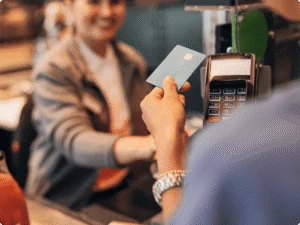
From 1 October 2026, Australian businesses will no longer be able to charge customers a separate surcharge for paying by eftpos, Visa, Mastercard or American Express.
The Government is promoting this as cost-of-living relief, but merchant fees are not disappearing for small businesses.
As a small business, you must either absorb the cost, negotiate a better deal with your payment provider, or incorporate it into your general prices.
It’s an unknown hit, as people may now take advantage of credit, and you, as a small business, wear the cost somewhere between 1% and 3% of the sale.
What Will Happen To Prices?
Businesses currently charging a card surcharge are likely to slightly increase their advertised prices.
For example, a $5 coffee plus a 2% surcharge may simply become a $5.30 coffee for everyone—including customers paying cash.
This makes pricing simpler, but it may also mean cash customers subsidise card users and rewards-point programs.
The change may also encourage more electronic payments. This provides the ATO with a clearer record of business turnover and further reduces opportunities within the cash economy. It may also see a surge in credit card debt as customers use credit freely and incur no fees. Either way, there will be an impact on your bottom line.
What should small businesses do now?
Act now before 1 October. Businesses should take the opportunity to review what card payments are really costing them.
Start by checking your actual merchant fees and comparing rates across banks and payment providers, as the difference can be significant.
You should also calculate how absorbing these costs will affect your gross profit margin and determine whether your current pricing remains sustainable.
For some businesses, particularly those operating on tight margins, a modest price increase may be necessary to cover costs. Ask yourself – can I afford to put my prices up? In most cases it will be yes, and possibly your competitors already have!
Businesses should review how payment charges are communicated to customers. Any existing surcharge notices on EFTPOS terminals, menus, invoices, websites, and other customer-facing material should be removed where they are no longer permitted.
One alternative may be to offer a clearly disclosed discount to customers who pay in cash or via PayID, provided it is structured appropriately. The key is to act now: understand your payment cost and review your pricing. One tip is to ensure your systems and customer communications are ready before 1 October.
Weekend, Public Holiday and Similar Surcharges
These can still apply provided they are clearly disclosed to customers before a purchase is made. Businesses may also choose to offer discounts for specific payment methods, such as cash or PayID, if the discount and eligibility criteria are clearly communicated.
The Key Message is Simple: Do not simply absorb the additional cost without reviewing your margins. Act now: check your fees and adjust your pricing before the new rules take effect.