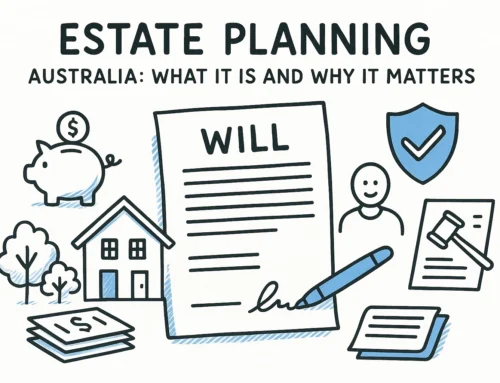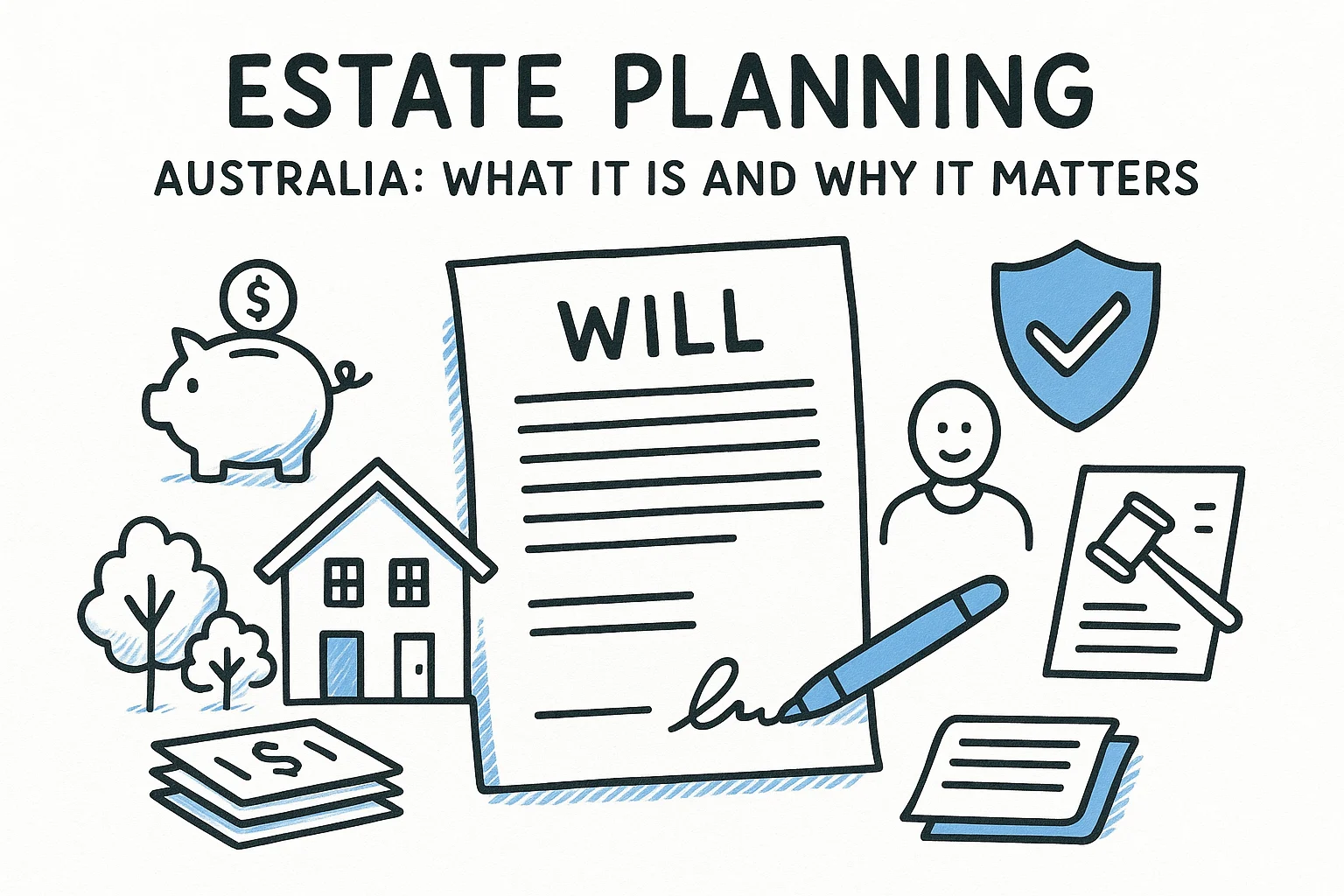

Estate Planning and Will: What They Are and How to Get Started
Most people put off estate planning and will preparation until something forces the issue: a health scare, a new grandchild, or watching a friend’s family fall apart over an estate with no clear plan. By then, decisions get rushed and mistakes creep in. If you are searching for clarity on where to start, you are not alone, and you are asking the right question at the right time.
So what is estate planning in Australia, exactly? It is more than a will sitting in a drawer. It covers how your assets, superannuation, and business interests transfer when you die or lose capacity, and it involves tools like powers of attorney, testamentary trusts, and beneficiary nominations working together with your will. Done properly, it protects your family from disputes, delays, and unnecessary tax.
This article breaks down what estate planning and will preparation actually involve, how the two fit together, common gaps business owners overlook, and how a will and estate planning consultant or accountant can help you build a plan that holds up when it matters.
Why estate planning and a will matter
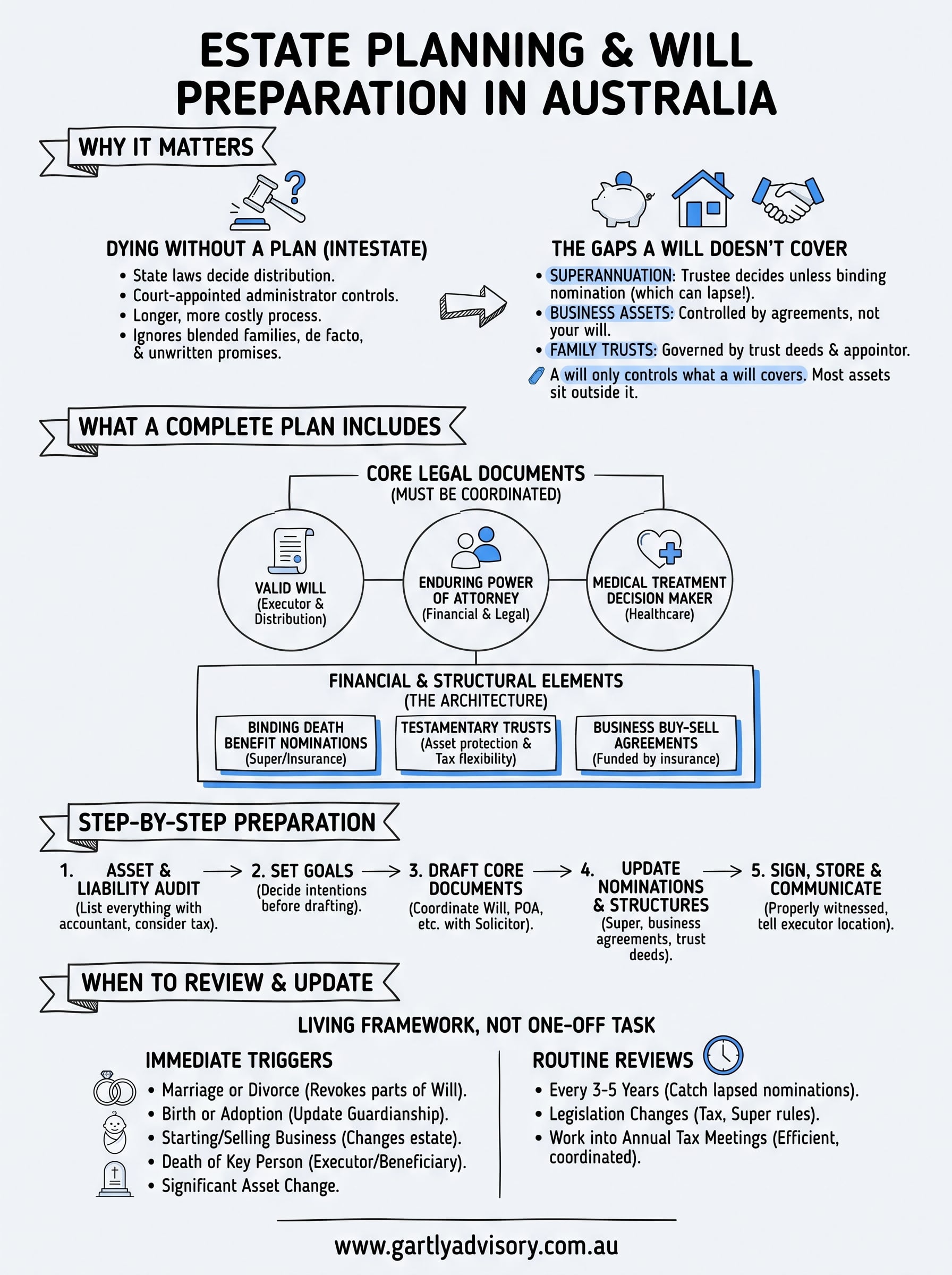
Dying without a valid will means you die "intestate", and state intestacy law decides who inherits your estate, not you. In Victoria, that formula splits assets between a spouse and children using a fixed legal order that ignores blended families, business partners, or a step-child you actually raised. It also ignores any verbal promises you made. The Australian Government’s MoneySmart service puts it plainly: without a will, a court-appointed administrator, not your family, controls how your assets get distributed, and the process typically takes far longer and costs more than a properly drafted estate plan.

Victoria’s intestacy rules also don’t recognise informal arrangements common in modern families, such as a long-term de facto partner who hasn’t updated their relationship status with every institution, or a sibling who has run your business for a decade without a formal partnership deed. When there’s no will, these people often get nothing, or they’re forced to fight for a share through the courts. That’s the scenario estate planning and will preparation exists to prevent, and it’s why waiting until you’re "old enough" to need one is the wrong way to think about timing.
A will only controls what a will actually covers, and most people are surprised how much of their estate sits outside it.
Superannuation and business assets don’t follow your will automatically
Superannuation is usually the biggest asset after the family home, yet it doesn’t automatically form part of your estate. The trustee of your super fund decides who receives your death benefit unless you’ve made a binding death benefit nomination, and even then, that nomination can lapse after three years for many retail funds. The Australian Taxation Office confirms this trustee discretion applies regardless of what your will says, which is why so many families discover, after the fact, that a super balance went to an estranged ex-partner instead of a current spouse simply because nobody updated the paperwork.
Because superannuation, jointly owned property, and assets held in family trusts sit outside your will, a proper estate plan has to address each of them individually. Here’s a quick way to see where the gaps usually hide:
| Asset type | Passes via your will? | What actually controls it |
|---|---|---|
| Bank accounts, shares (sole name) | Yes | Your will |
| Superannuation | No | Binding death benefit nomination / trustee discretion |
| Jointly owned property | No | Survivorship rules |
| Family trust assets | No | Trust deed and appointor |
| Business shares/units | Sometimes | Shareholders’ or partnership agreement |
| Life insurance inside super | No | Nomination on the policy |
The business owner’s blind spot
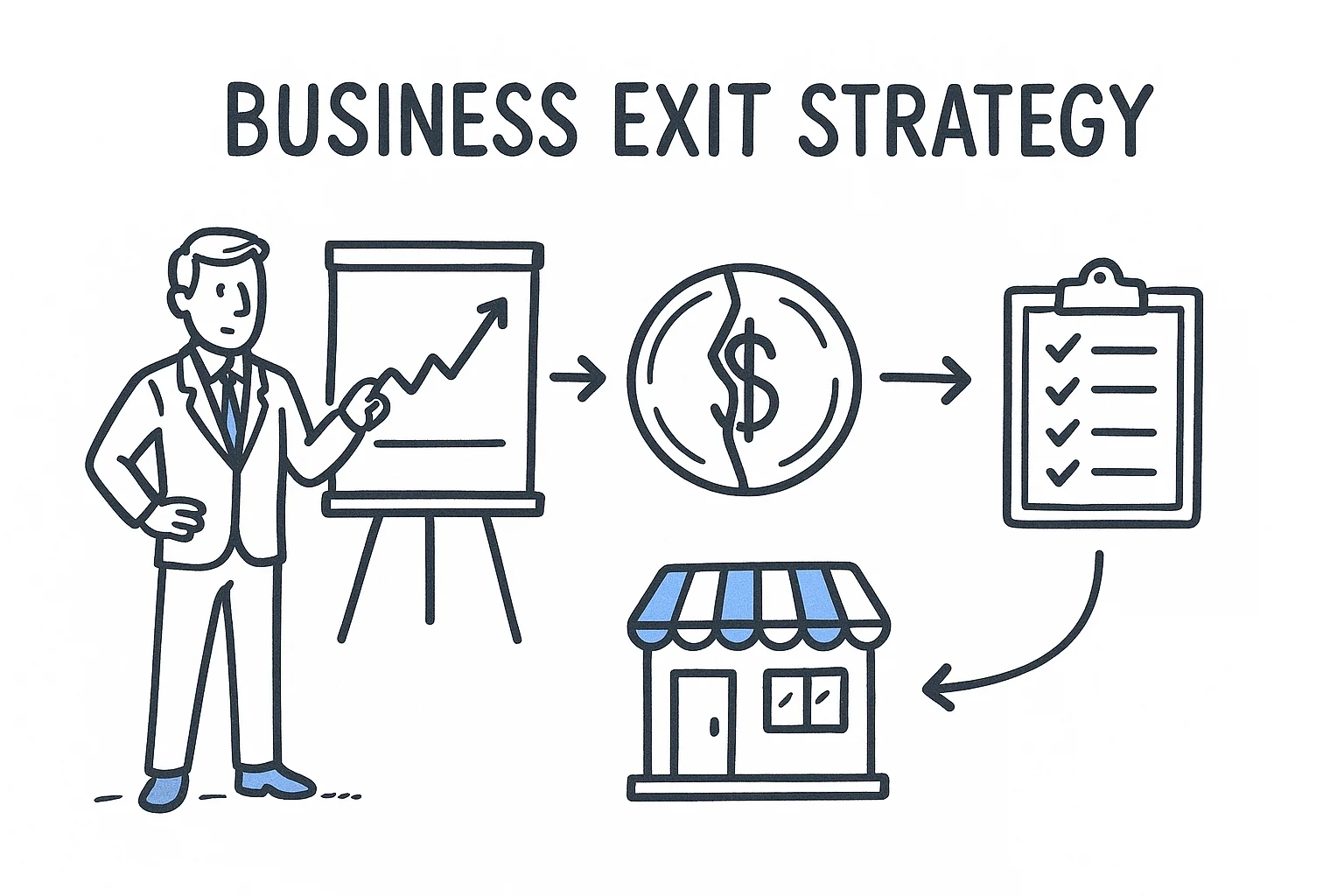
Business owners face an extra layer most personal estate plans never touch: succession. Without a documented exit or succession plan sitting alongside your will, your business partner could end up co-owning the company with your grieving spouse, who has no interest in running it and no say in how it’s valued or bought out. This is where a general practice solicitor’s template will falls short, because it rarely accounts for shareholder agreements, trust structures, or buy-sell funding through insurance.
None of this needs to feel overwhelming once you see the moving parts laid out. The point isn’t to frighten you into action, it’s to show that a will alone was never designed to carry this much weight. A coordinated estate plan built with someone who understands both the legal and financial sides of your business closes these gaps before they become a family dispute or a costly court application.
What a complete estate plan and will should include
A genuine estate plan is a set of coordinated documents, not a single form you sign once and forget. Beyond the will itself, you need instructions covering who manages your affairs if you lose capacity, how your superannuation and business interests are handled, and who steps in to care for young children. Skipping any one of these leaves a gap that intestacy law or a fund trustee will fill for you, often in a way you never intended.
The core legal documents
Every solid will and trust estate planning package rests on a handful of documents working together, not in isolation. At minimum, expect these:
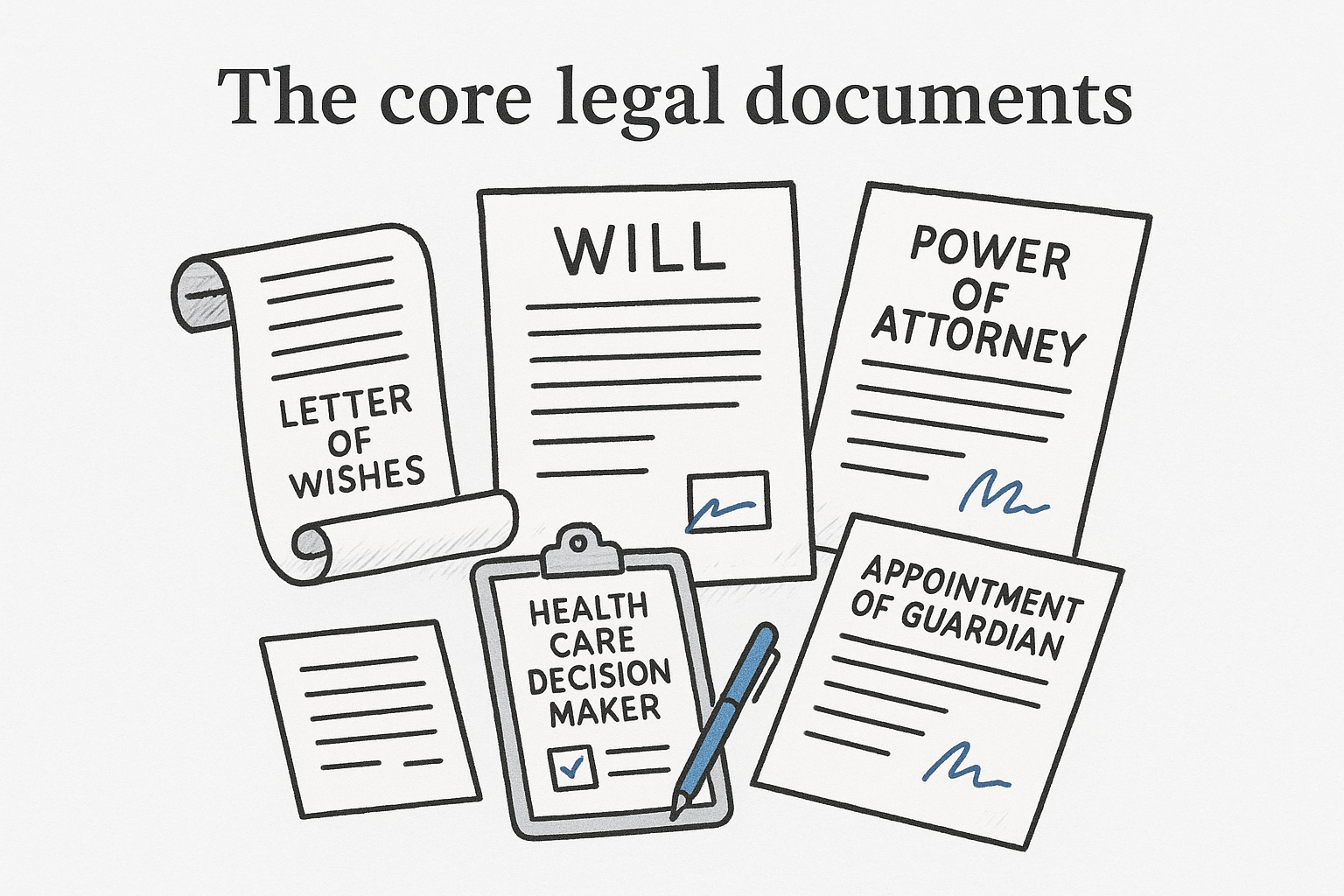
- A valid, witnessed will naming an executor and setting out asset distribution
- An enduring power of attorney covering financial and legal decisions if you lose capacity
- A medical treatment decision maker appointment for healthcare choices you can’t make yourself
- A guardianship nomination if you have children under 18
- A letter of wishes giving your executor context that a formal will can’t capture, such as sentimental items or funeral preferences
Missing the power of attorney documents is one of the most common oversights. Without one, your family may need to apply to VCAT for guardianship or administration orders, a slow and public process that a simple document would have avoided entirely.
Financial and structural elements
Once the legal basics are covered, a complete plan turns to the financial architecture sitting around your will. This includes binding death benefit nominations on every super fund and insurance policy, a testamentary trust if you want asset protection or tax flexibility for beneficiaries, and, for business owners, a buy-sell agreement funded by insurance so a partner’s death doesn’t force a fire sale of the business.
A will names who gets what, but it takes nominations, trusts, and business agreements to make sure they actually receive it.
Regarding estate planning and will preparation for business owners specifically, don’t overlook shareholder or partnership agreements, trust deeds naming a successor appointor, and clear instructions for how a family trust’s control passes on. These sit outside the will entirely, yet they often determine more of your wealth’s fate than the will does.
Finally, think about tax. A testamentary trust structured well can split income among beneficiaries and reduce tax paid by a surviving spouse or adult children, while a poorly drafted one can trigger unnecessary capital gains events. Working through these elements with an accountant who understands both tax law and trust structures, alongside your solicitor, is what separates a plan that survives family scrutiny from one that ends up contested in court.
How to prepare your will and estate plan step by step
Getting estate planning and will preparation done properly is less about paperwork and more about sequencing. Rush the order and you end up with documents that contradict each other, a will that doesn’t match your super nominations, or a trust deed nobody remembers exists. Work through it in stages instead, and each document reinforces the next rather than creating gaps.
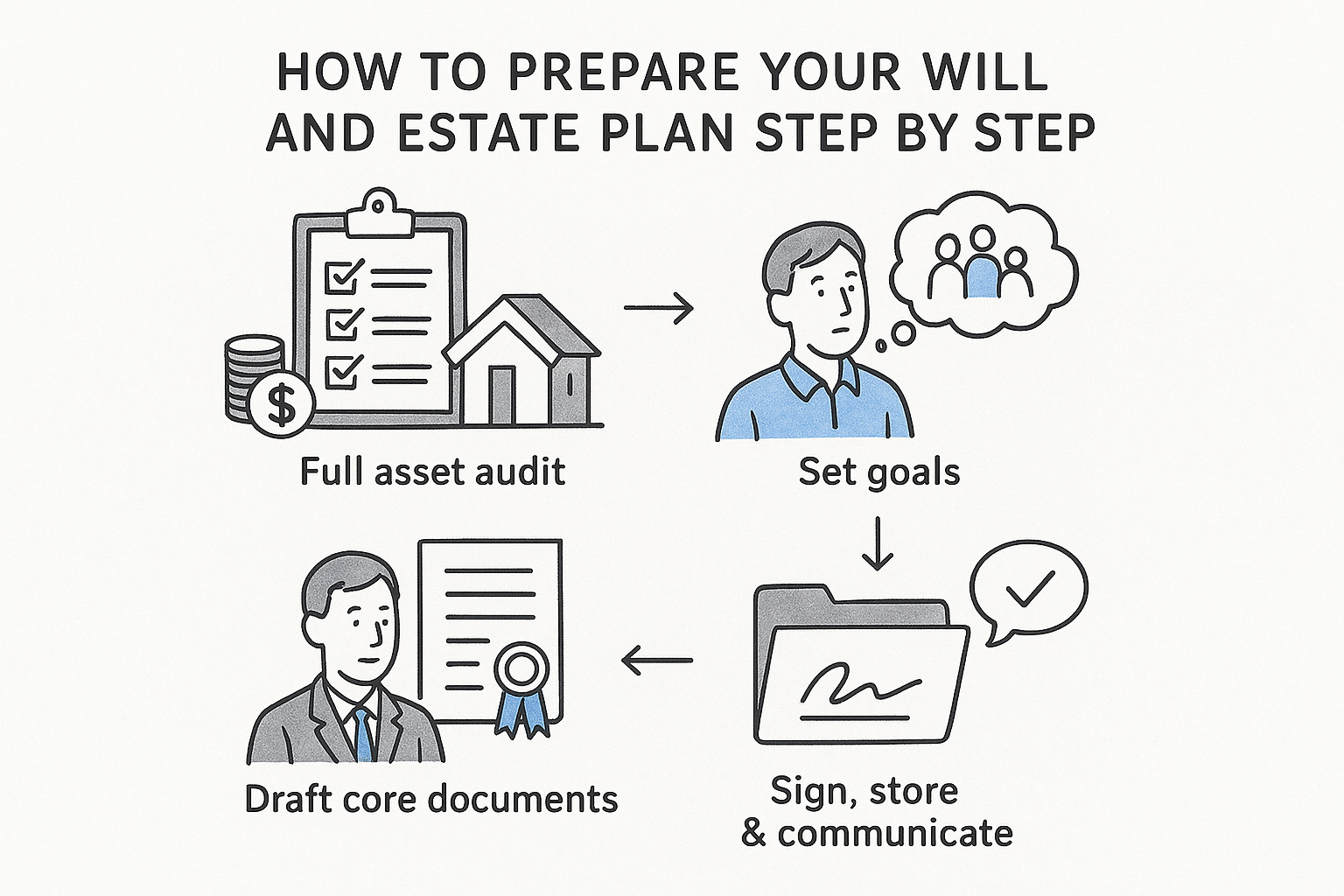
Start with a full asset and liability audit
Before anyone drafts anything, list everything you own and owe: property, super balances, business shares, trust interests, insurance policies, and debts. Sitting down with an accountant at this stage matters because they can see the tax consequences of transferring an asset a certain way, something a will template can’t tell you. This audit is also where you flag which assets pass through your will and which don’t, using the table from earlier as a quick check.
A plan built on guesswork about what you own is a plan built to fail when it’s tested.
Set your goals before you draft anything
Once you know what you have, decide what you actually want to happen. Do you want a testamentary trust to protect a beneficiary’s inheritance from a future divorce? Should your business partner buy out your share, or should your spouse inherit a stake and a say? These decisions shape every document that follows, so nail them down before you book a solicitor.
Draft the core documents together, not separately
The next step is bringing in a solicitor to draft your will, power of attorney, and guardianship documents as one package. Handle these one at a time over months and you risk inconsistencies, such as an executor named in your will who’s different from the attorney named elsewhere. A will and estate planning consultant who coordinates with your accountant keeps the legal drafting and the financial structuring moving in step.
Update nominations and structural documents
With the legal documents drafted, turn to the pieces sitting outside your will:
- Submit binding death benefit nominations for every super fund and insurance policy
- Review or draft shareholder and partnership agreements
- Confirm who becomes appointor and trustee of any family trust
- Check joint ownership arrangements on property match your intentions
- Store signed originals somewhere your executor can actually find them
Sign, store, and communicate
Finally, sign everything with proper witnesses, following the requirements set out by Victoria’s Department of Justice, and tell your executor and attorney where the documents live. A brilliant estate plan locked in a drawer nobody knows about causes the same delays as having no plan at all.
Choosing the right will and estate planning consultant
Picking the right will and estate planning consultant matters more than most people realise, because the wrong choice leaves you with documents that look complete but fall apart under real-world pressure. A general solicitor can draft a valid will, but if you own a business, hold assets in a trust, or run a self-managed super fund, you need someone who understands how tax, super, and business structures interact with that will. This is where a firm offering coordinated advice across accounting and legal drafting earns its fee, because they catch the gaps a document-only service misses.
What to look for before you commit
Qualifications matter, but so does practical experience with estates like yours. Look for a consultant who can point to real cases involving business succession, testamentary trusts, or SMSF death benefits, not just a checklist of services on a website.
- Chartered accounting credentials alongside SMSF specialisation, so super and tax advice sits under one roof
- Experience with business owners, including buy-sell agreements and succession planning
- A track record with testamentary trusts, not just standard wills
- Willingness to work alongside your solicitor, rather than insisting on doing everything in-house
- Clear fees upfront, with no vague hourly billing for a process that should follow a defined sequence
The right consultant asks about your business and your super fund before they ever mention a will template.
Questions worth asking at the first meeting
Spend your first consultation testing whether the person actually understands your situation, not just reciting general advice. Ask how they’d structure a testamentary trust for your specific family, how they’d handle a business partner buyout, and how often they recommend reviewing binding nominations. Their answers reveal whether you’re speaking with a genuine estate planning and will preparation specialist or someone reading from a script.
Specialists in will and trust estate planning for business owners, such as the team at Gartly Advisory, bring a different lens than a solicitor working alone. Thirty-five years of running and advising businesses means spotting the succession gap in a shareholder agreement or the tax trap in a poorly drafted trust before it becomes a costly problem for your family. That combination of technical accounting knowledge and commercial experience is what separates a plan that survives scrutiny from one that ends up in court.
Ultimately, the consultant you choose should leave you feeling less anxious about the process, not more confused by jargon. If a meeting ends with more questions than answers, or nobody mentions your superannuation or business structure, that’s a signal to look elsewhere before you sign anything.
When to review and update your estate plan
An estate plan is not a document you sign once and file away for decades. Circumstances change fast, family structures shift, and superannuation rules get amended by government more often than most people realise. Treating your estate planning and will documents as a living framework, rather than a one-off task, is what keeps them enforceable and relevant when your executor actually needs them.
Life events that force an immediate review
Certain events should trigger an update within weeks, not years. Waiting until your next scheduled review after one of these happens is how outdated nominations and forgotten guardianship clauses slip through.
- Marriage or divorce, both of which can automatically revoke parts of a will under Victorian law
- Birth or adoption of a child, requiring updated guardianship nominations
- Starting, selling, or restructuring a business, which changes what sits inside or outside your estate
- Death of an executor, attorney, or major beneficiary named in your existing documents
- A significant change in asset value, such as selling a property or receiving an inheritance
An estate plan that hasn’t been touched since your youngest child started school is a plan built for a family that no longer exists.
Routine reviews even without a major event
Beyond triggering events, build a habit of reviewing your will and trust estate planning documents every three to five years regardless of whether anything obvious has changed. Binding death benefit nominations lapse after three years for many retail super funds, so a routine check catches a lapsed nomination before a trustee is left to decide who receives your death benefit using their own discretion. Legislation shifts too. The Australian Taxation Office periodically updates rules around super death benefits and tax treatment, and a plan drafted a decade ago may no longer reflect the most tax-effective structure available to your family.
Working reviews into your existing advice relationship
Giving your accountant standing instructions to flag estate planning triggers during annual tax meetings solves the problem most families face: nobody remembers to book a separate review. If you already sit down with a will and estate planning consultant each year for tax planning, ask them to run through your nominations, trust structures, and business succession documents at the same time. Handling reviews this way costs less than a standalone consultation and catches gaps before they turn into disputes. It also means the person reviewing your documents already understands your business, your super fund, and your family, rather than starting from scratch every few years.
Getting your affairs in order
Getting estate planning and will documents right isn’t about ticking a legal box once and forgetting it. It’s an ongoing process that touches your super, your business, and the people who depend on you getting it right. A will alone can’t carry that weight, and neither can a template downloaded off the internet. Real protection comes from coordinated documents, updated nominations, and a plan that flexes as your life and business change.
Starting is the hardest part, but you don’t have to map out every trust deed or shareholder agreement on your own. Speaking with someone who understands both the accounting and the commercial side of your situation turns a confusing process into a manageable one. If you’re ready to build a plan that actually protects your family and your business, get in touch with Gartly Advisory and start the conversation properly.