Selling Strategies for Selling a Small Manufacturing Business
Navigating the Exit: A Strategic Guide to Succession Planning for Manufacturing Business Owners
As the holiday season winds down in late December 2025 and you reflect on the year gone by, now is an ideal time to consider the future of your manufacturing business and begin planning your exit. Whether you are thinking about selling a manufacturing business in three years or simply want to understand your options, early succession planning is critical.
Are you in your mid 50’s running a manufacturing business and have no plans on how to retire in the future. Our blog is specific for manufacturing businesses. It provides proven selling strategies, highlights common valuation traps, and outlines the steps required to maximise value while retaining control of your timeline and legacy.
Why Succession and Exit Planning Matters When Selling a Manufacturing Business
Business exit planning is often misunderstood as something you do when retirement is imminent. In reality, it is a strategic business discipline that directly influences valuation, buyer confidence, and deal certainty.
Manufacturing businesses face complexities that do not exist in many other sectors. These include heavy reliance on plant and equipment, specialised labour, regulatory and environmental exposure, and in many cases, deep owner involvement in daily operations. When these risks are not addressed well in advance, they can significantly undermine efforts to sell a manufacturing business successfully.
Globally, manufacturing is entering what many commentators describe as a “silver tsunami”—a wave of business owners approaching retirement age. As more manufacturing businesses come to market, buyers will become more selective.
Owners who delay planning may find themselves competing on price rather than quality, while those who prepare early can position their business as a premium opportunity.
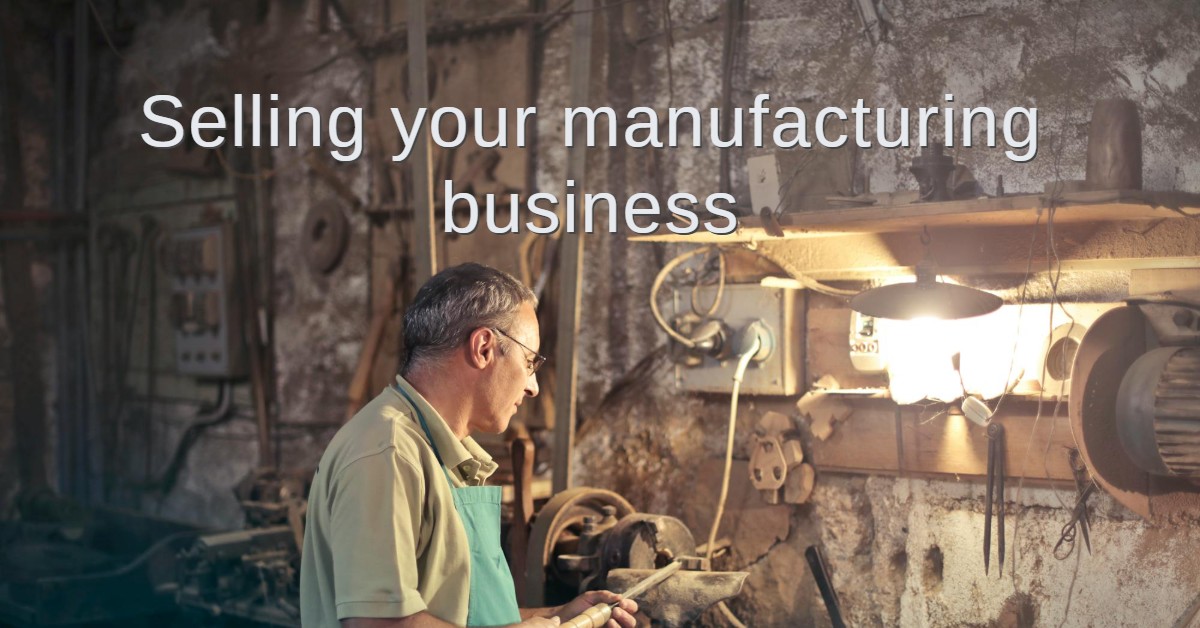
The Manufacturing Business and its operations and machines
Small manufacturing businesses are typically asset-heavy and owner-centric. Machinery, tooling, inventory, and sometimes real estate form the backbone of the business. Additionally the owner often acts as chief salesperson, production problem-solver, and relationship manager.
This structure creates both opportunity and risk when considering manufacturing business succession planning. Tangible assets provide a visible foundation of value, but undocumented systems, ageing equipment, and key-person risk can deter buyers or depress valuations.
Technology adds further complexity. Equipment that remains operational may be commercially obsolete due to advances in automation, precision, or energy efficiency. As a result, there is often a wide gap between book value, market value, and replacement cost.
For example, a CNC machining centre may be fully depreciated on the balance sheet, yet cost several hundred thousand dollars to replace. Alternatively, its resale value may be minimal if newer technology has superseded it. These nuances are closely examined during due diligence and can materially affect negotiations. In some circumstances, an orderly wind-down and asset sale can produce a better financial outcome than selling the business as a going concern.
Timing and Leverage When Selling a Small Manufacturing Business
One of the most important selling strategies for a small manufacturing business is timing. Owners who wait until retirement is imminent, health becomes an issue, or an unsolicited offer appears often negotiate from a position of weakness. Buyers sense urgency and price risk accordingly.
By contrast, owners who begin planning three to five years before selling a manufacturing business can systematically address weaknesses, improve financial performance, and reduce reliance on themselves. This preparation not only increases value but also creates choice—choice over buyer type, deal structure, and post-sale involvement.
The difference between proactive and reactive selling is often measured not just in dollars, but in peace of mind.
Understanding Your Starting Point Before You Sell
Before choosing how or when to exit, a manufacturing business owner must understand their true starting position. This requires a clear-eyed assessment of the business from a buyer’s perspective, not an emotional or historical one. A proper assessment looks beyond surface profitability to examine operational resilience, customer concentration, workforce stability, and scalability. It highlights where value already exists and where risk must be mitigated before going to market.
This step is non-negotiable. Without it, exit planning becomes guesswork rather than strategy.
Valuation Realities When Selling a Manufacturing Business
Valuation is central to any manufacturing business exit strategy. For most small to mid-sized manufacturing businesses, value is assessed using a multiple of EBITDA or adjusted EBITDA, rather than asset values alone. For businesses with EBITDA between $1 million and $3 million, valuation multiples commonly fall within a broad range, influenced heavily by business quality rather than size alone. Recurring revenue, diversified customers, modern equipment, and strong management structures push valuations higher. Owner dependency, outdated plant, and undocumented processes push them down.
Buyers also look closely at factors unique to manufacturing. Capital expenditure cycles matter, as recent investment signals future efficiency rather than looming costs. Inventory is examined for obsolescence and accounting treatment. Environmental compliance, permits, and potential site liabilities are scrutinised carefully, particularly when property is included in the transaction. Understanding these factors early allows owners to actively shape valuation outcomes, rather than be surprised during negotiations.
Owner Dependency: The Silent Value Killer
One of the biggest challenges when selling a manufacturing business is excessive owner dependency. Buyers want confidence that the business can continue to operate—and grow—after the owner exits.
If sales relationships, production decisions, quality control, or supplier negotiations rely heavily on the owner, buyers will discount value to reflect that risk. Research consistently shows that businesses with high owner dependency sell for materially less than those with autonomous management teams.
Reducing owner dependency requires deliberate action. This may involve formalising sales processes, documenting operational procedures, delegating decision-making authority, and building a leadership team capable of running the business without daily owner involvement. While uncomfortable for some owners, this transition is one of the most powerful selling strategies available.
Workforce and Management Depth as Value Drivers
When buyers acquire a manufacturing business, they are not just buying machines and contracts—they are buying people. A stable, skilled workforce with low turnover and hard-to-replace qualifications is a major value driver. Conversely, an ageing workforce with no training or succession plan raises red flags about continuity and future performance. Buyers look favourably on businesses with clear roles, defined responsibilities, and leadership continuity.
Strengthening workforce and management structures well before sale not only improves valuation but also increases deal certainty.
Choosing the Right Exit Path
There is no single best way to exit a manufacturing business. Options range from selling to a strategic buyer or private equity group, to transitioning ownership internally or winding down and selling assets. Each path carries different implications for price, timing, risk, and legacy. Understanding these trade-offs is essential to aligning business decisions with personal and financial goals.
The key is optionality. Owners who prepare early retain the flexibility to choose the exit path that suits them best.
Start Planning Your Manufacturing Business Exit Now. Selling a small manufacturing business does not have to be rushed, reactive, or regretful. With the right preparation, it can be a structured, value-maximising process that rewards years of effort. The most common regret expressed by business owners after a sale is not starting earlier.
If you are thinking about the future—even in broad terms—now is the time to act. Reach out to Geoff to discuss your business, explore your options, and begin developing a tailored manufacturing business exit strategy. Tools such as the Value Builder system can also provide a practical benchmark of where your business stands today.
Your freedom after exit all depends on the decisions you make before you sell and the final value upon sale.