
Choosing the Best Accounting Software: A 2026 Guide for Australian SMEs
Did you know that 73% of Australian small businesses have moved to the cloud, yet many owners still spend hours fixing manual data entry errors? It’s a headache we see all too often. You want to focus on your business goals, but instead, you’re stuck worrying if your accounting software is actually keeping you compliant with the latest ATO rules. We understand that the fear of missing an STP finalisation deadline or navigating the new Payday Super requirements starting 1 July 2026 can be incredibly stressful.
We’ve seen how the right digital foundation turns a messy pile of receipts into a clear roadmap for growth. In this guide, you’ll discover how to select a platform that streamlines your compliance and scales with your vision. We’ll break down the latest July 2026 pricing for Xero and MYOB, explain why the 14 July 2026 deadline is critical, and show you how to automate bank feeds for better cash flow visibility. By the end of this article, you’ll have a clear plan to simplify your reporting and make confident growth decisions.
Key Takeaways
- Understand why modern cloud systems act as a real-time bridge between your business and your advisor, rather than just a storage space for receipts.
- Learn how the right accounting software ensures you meet strict Australian standards, including the latest STP and GST requirements, without the manual stress.
- Discover the specific strengths of Xero, MYOB, and Reckon to identify which platform aligns best with your industry and inventory needs.
- Find out why professional setup and ongoing review by a tax agent are essential to avoid costly errors and unlock proactive growth strategies.
Why the Right Accounting Software is the Digital Backbone of Your Business
In 2026, your choice of accounting software is far more than a digital version of a paper ledger. It acts as the central nervous system of your business, connecting your daily operations directly to your long-term goals. We’ve seen that the most successful Australian SMEs don’t just use these platforms for data entry; they use them as real-time collaboration tools. This allows Gartly Advisory Pty Ltd to work alongside you as a trusted partner on your journey towards success, providing guidance based on live data rather than looking at figures that are months out of date.
While the history of accounting software began with basic desktop record-keeping, the modern cloud environment is now mandatory for staying compliant with the ATO. With 73% of Australian small businesses already using cloud-based systems, the shift is driven by necessity. Whether it’s managing GST or ensuring your STP Phase 2 reporting is finalised by the 14 July 2026 deadline, the right software automates the heavy lifting. This proactive approach ensures you’re always a step ahead of your obligations.
Our philosophy at Gartly Advisory Pty Ltd has always been to look beyond the numbers. We believe that once your compliance is automated and accurate, you gain the clarity needed for strategic decision-making. You’re no longer just “doing the books”; you’re gaining a clear visibility of your cash flow that allows you to seize new opportunities as they arise. It turns a chore into a competitive advantage.
Core Features Every Aussie SME Needs in 2026
Automation is the key to reclaiming your time. In 2026, you should expect your platform to offer seamless bank feeds that categorise transactions with high accuracy. This eliminates the manual entry errors that often lead to “mystery” figures in your accounts. Compliance must also be effortless. Your software should handle everything from payday superannuation contributions to integrated super clearing house functions without requiring manual exports. Most importantly, look for real-time reporting dashboards that track your growth profit margin. Having this data at your fingertips means you can make decisions based on facts, not just gut feelings.
The Problem with “Shoebox” Accounting
Sticking with outdated, manual systems or “shoebox” methods carries hidden costs that can cripple a growing business. Beyond the obvious risk of losing receipts, these systems create a massive time drain. We’ve found that business owners using manual methods spend up to 10 hours more per week on administration than those with automated systems. There is also the significant risk of ATO audits if your GST or payroll records aren’t precise. Missing out on legitimate tax deductions because of poor record-keeping is essentially leaving money on the table.
Pro Tip: To keep your software feeds clean and professional, always maintain a dedicated business bank account. Mixing personal and business expenses makes reconciliation a nightmare and complicates your tax position. A clean feed means we can provide faster, more accurate advice when you need it most.
Comparing the Giants: Xero vs. MYOB vs. Reckon
Selecting the right platform is a big decision for any business owner. While most providers offer similar core functions, the way they handle your specific industry requirements, such as franchise accounting or property investment, can vary significantly. As of March 2026, Xero holds a dominant 57.13% share of the Australian market. However, MYOB and Reckon remain powerful contenders for businesses with specific operational needs. These platforms are more than just ledgers; they are essential digital tools for business that dictate how efficiently you can scale.
When to Choose Xero for Your SME
Xero is often the preferred choice for service-based businesses that value a “mobile-first” experience. If you’re frequently on the road and need to send invoices or check cash flow from your phone, it’s hard to beat. From 1 July 2026, Xero pricing starts at $37 per month for the Ignite plan, moving up to $107 per month for the Comprehensive tier. Its biggest strength is the ecosystem of over 1,000 integrated apps that allow you to customise your setup. Pro Tip: Leverage Xero accounting for its superior bank feed technology. It uses advanced automation to match transactions, which can save you several hours of manual admin every single week.
The MYOB Advantage for Inventory-Heavy Businesses
MYOB has a long history with Australian compliance and remains a top choice for wholesalers and retailers. If your business moves physical stock, MYOB Business Pro (approximately $63 per month as of March 2026) offers deep inventory tracking that often surpasses native cloud competitors. The transition from the old desktop AccountRight to the new cloud suite is now seamless, giving you the reliability of their legacy systems with the benefits of real-time access. For those watching the bottom line, Reckon One provides a modular approach starting from $24 per month. You only pay for the features you actually use, making it a cost-effective accounting software choice for startups. If you’re unsure which path fits your five-year plan, talk to us and let us help you find the right fit.
Maximising Your Investment: Why Software Needs a Strategic Partner
Buying the right accounting software is only the first step. Without professional alignment, even the most expensive platform is just a digital version of a messy shoebox. We’ve seen that roughly 15% of DIY software setups contain significant GST mapping errors in the first three months. These mistakes lead to incorrect BAS lodgements and unnecessary stress during tax season. This is why we focus on being more than just a firm that “does your books.” Gartly Advisory Pty Ltd aims to be a proactive partner that ensures your digital foundation is rock solid from day one.
A qualified tax agent does more than just fix errors. We use your real-time data for proactive tax planning, helping you keep more of what you earn. If you’re managing a Self-Managed Super Fund (SMSF), we can integrate your business data to provide a holistic view of your total wealth. It’s helpful to review CPA Australia’s guide to selecting accounting software to understand the technical benchmarks, but our “beyond the numbers” philosophy at Gartly Advisory Pty Ltd turns that software into a strategic asset.
Common Setup Blunders to Avoid
The most frequent mistake we see is failing to map GST codes correctly. This often happens when businesses use “out of the box” settings that don’t account for specific Australian tax nuances. It results in claiming credits you aren’t entitled to or, worse, missing out on thousands of dollars in legitimate refunds. Pro Tip: Always have your Chartered Accountant perform a “Health Check” on your file after the first three months of use. It’s much cheaper to fix a small configuration issue early than to untangle a year’s worth of bad data at audit time.
Scaling Beyond the Basics
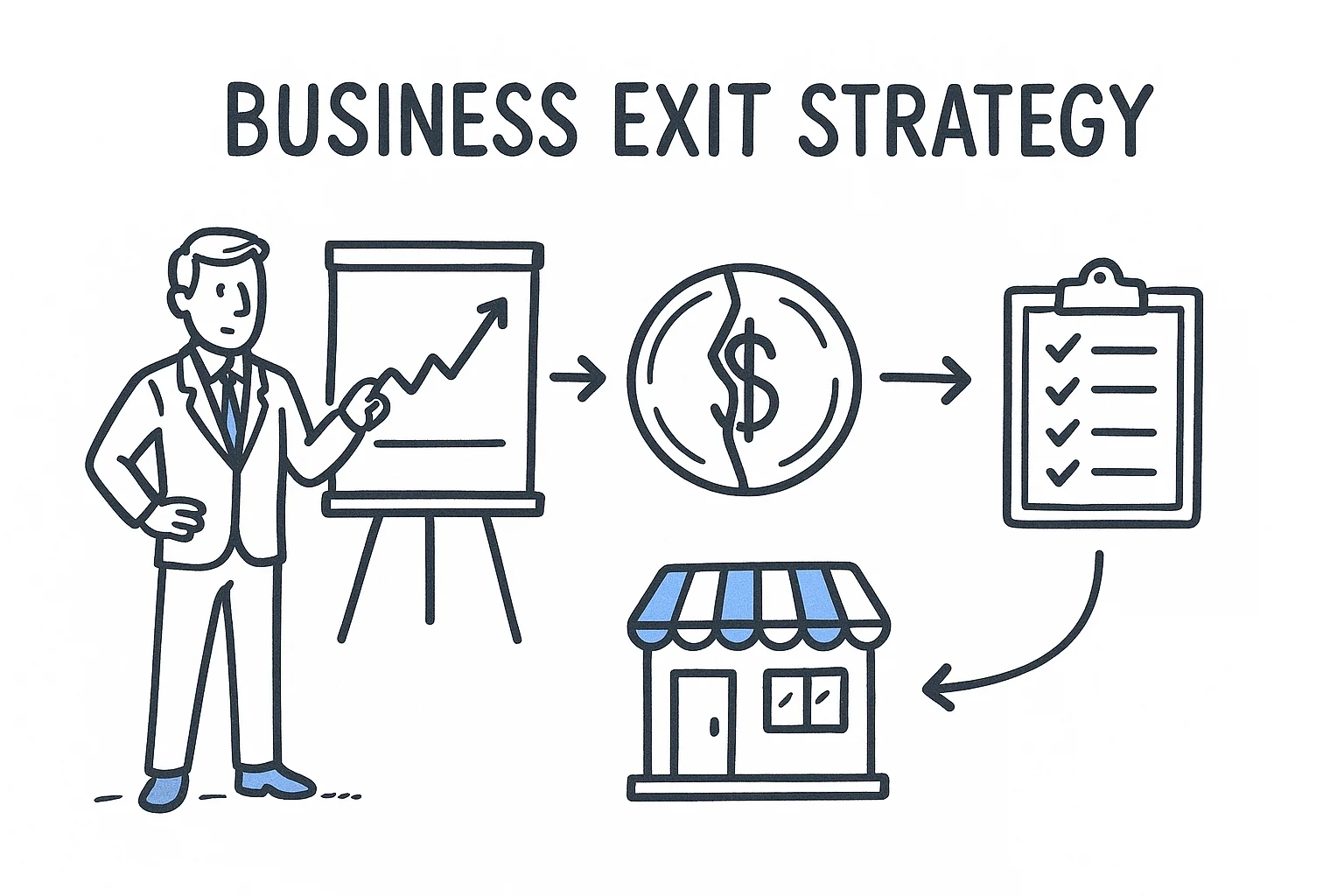
Once your accounting software is running smoothly, the data it produces becomes your most valuable tool for growth. We use this information for strategic exit planning and business valuation modelling. When your records are clean and your reporting is accurate, your business becomes a far more attractive asset to potential buyers or investors. Proactive advisory turns a monthly software subscription from an overhead expense into a high-ROI tool that supports your long-term dreams.
Ready to Transform Your Business Data into Growth?
Choosing the right accounting software marks the beginning of a more efficient chapter for your business, but the real value is unlocked through expert alignment. We’ve seen how a solid digital backbone prevents the stress of non-compliance and transforms basic bookkeeping into a strategic growth asset. By moving beyond manual entry and embracing automated visibility, you’re not just keeping the ATO happy; you’re gaining the insights necessary to scale with purpose.
At Gartly Advisory Pty Ltd, we offer the calm competence and extensive experience required to navigate today’s complex financial landscape. With 35 years of experience and a track record reflected in 70+ 5-Star Google Reviews, we’re dedicated to helping you solve problems and seize new opportunities. As a Xero Certified Platinum Partner, we provide the proactive support that makes your journey towards success smoother and more predictable. Talk to Gartly Advisory Pty Ltd today for a complimentary appointment to find your perfect software fit. We look forward to being the safe pair of hands that helps you grow your dreams.
Frequently Asked Questions
What is the best accounting software for a small business in Australia?
The best accounting software for your business depends on your specific industry and growth targets. Xero is currently the market leader with a 57.13% click share due to its user friendly interface and massive app ecosystem. However, MYOB is often the superior choice for businesses requiring robust inventory management. We recommend choosing a platform that offers real time collaboration with your advisor, as 73% of Australian SMEs now rely on cloud systems to maintain compliance.
Is Xero better than MYOB for a sole trader?
Xero is frequently preferred by sole traders for its mobile first approach and intuitive invoicing. It’s an excellent fit if you need to manage your books while on the road. That said, MYOB offers a very competitive Solo plan at approximately $11 per month as of March 2026. If you don’t require complex payroll or inventory tracking, MYOB’s entry level pricing provides a highly cost effective way to stay compliant with basic GST obligations.
How much does accounting software cost in Australia in 2026?
Prices for accounting software in 2026 are tiered based on the features you require. As of July 2026, Xero plans range from $37 per month for the Ignite plan up to $300 per month for the Ultimate 100 plan. MYOB Business pricing starts at roughly $11 per month for Solo and reaches $195 for AccountRight Premier. Alternatively, Reckon One offers a modular system starting from $24 per month, which allows you to pay only for specific features.
Can I switch between different accounting software providers easily?
You can switch providers, but the process requires a methodical approach to ensure your data remains accurate. Most modern platforms offer migration tools to import your chart of accounts and contact lists. However, we’ve found that roughly 15% of DIY migrations result in opening balance errors or tax mapping issues. It’s best to transition at the start of a new financial year to keep your records clean and your reporting consistent.